Advantages
- Correlates with BOD for waste with constant composition.
- Toxic materials do not affect the oxidizing agent.
- Changes in COD between influent and effluent may parallel BOD and help supplement BOD results.
- Short analysis time.
Innovating the Future of Clean Water & Air
Posted byadminBiological Treatment, Hyper FilterationPosted on May 30, 2022
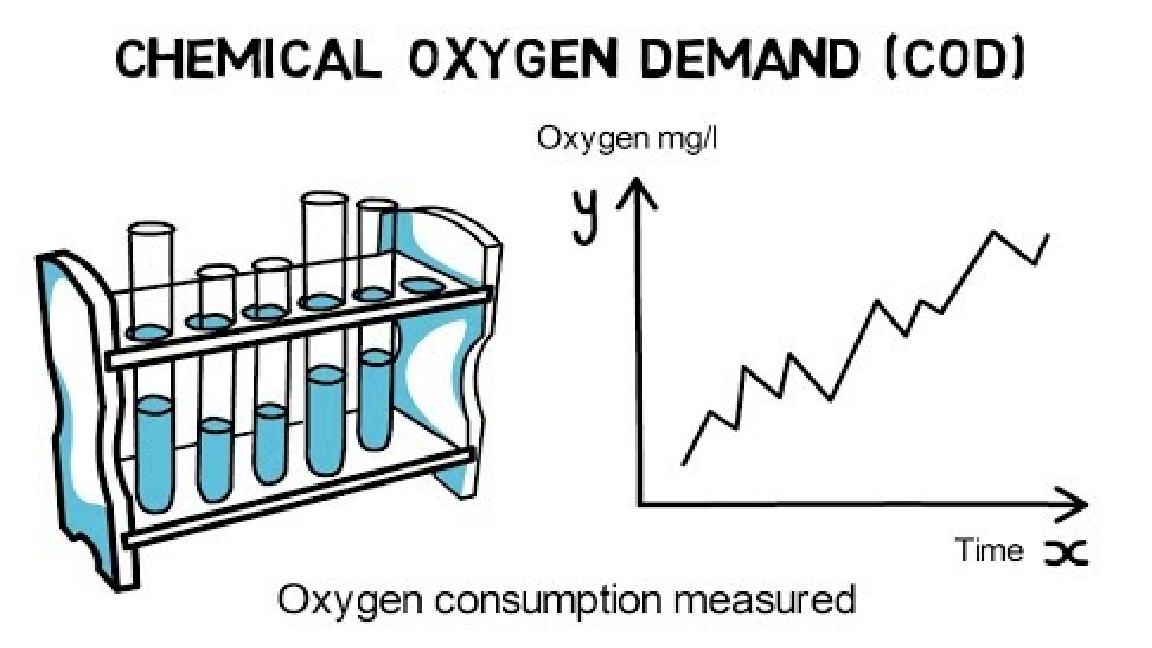
COD (Chemical Oxygen Demand) is the amount of oxygen required to chemically oxidize all pollutants present in water. This process involves the use of strong oxidizing agents and heat to break down organic and inorganic substances. COD is expressed in milligrams per liter (mg/L), also known as parts per million (ppm), indicating the mass of oxygen consumed per liter of solution.
COD is an indirect measurement of the total amount of organic matter in a sample. Unlike Biological Oxygen Demand (BOD), which measures only biodegradable matter, COD measures virtually all organic compounds. Therefore, COD values are usually higher than BOD values because chemical oxidation is more complete than biological breakdown.
In COD analysis, strong oxidizing chemicals are used to oxidize organic matter in water or wastewater. The amount of oxygen consumed during this chemical reaction, typically over a period of 2 hours, is referred to as the Chemical Oxygen Demand.
COD is a critical parameter in wastewater treatment as it helps determine the amount of organic pollution in water. High levels of organic matter require proper treatment before wastewater is discharged into natural water bodies.
If untreated wastewater is released, microorganisms in receiving waters consume the organic matter, leading to depletion of dissolved oxygen. This process, combined with nutrient-rich conditions, can cause eutrophication, which may result in the death of aquatic life.
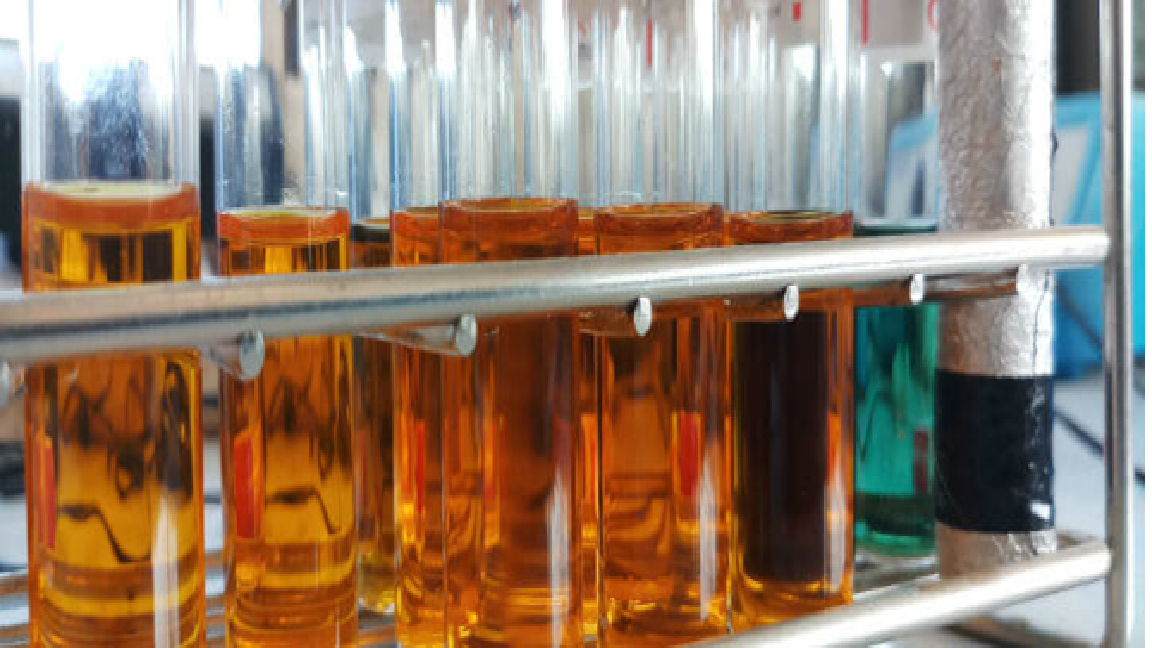
COD testing measures the amount of dissolved oxygen consumed during the oxidation of organic matter and certain inorganic compounds such as ammonia and nitrite. The test typically involves digesting a water sample in a sealed vial with potassium dichromate (K2Cr2O7) and sulfuric acid at 150°C for about 2 hours.
The sample is then analyzed using a spectrophotometer to determine the COD value. Silver sulfate is often added as a catalyst to speed up the reaction, and interfering inorganic substances are removed before testing.
On average, COD values in sewage are higher than BOD values because more substances can be chemically oxidized than biologically degraded. The typical permissible limit for COD in wastewater is around 250 mg/L.